
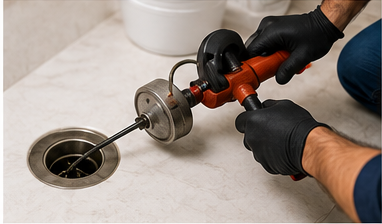
Cable vs jetting
A cable clears one soft clog fast. Jetting cleans the whole pipe wall, the fix for recurring grease and root blockages.
Requests taken 24 hours a day
Wichita Falls, Texas
Need Hydro Jetting Wichita Falls, TX you can count on? If the same line keeps blocking a few months after every clearing, cabling is not fixing it. Tell us what keeps backing up and we will connect you with a licensed plumber who jets drains here.
No forms, one call and you are connected
Available 24/7 in Wichita Falls
(940) 278-1884 📞 Call NowCalls are answered around the clock and may be recorded for quality and routing. Standard call rates apply.
Quick Answer
The hydro jetting Wichita Falls, TX homeowners rely on uses high-pressure water to scour the full inside wall of a pipe, clearing grease, scale, and tree roots that a cable only punches through. It is the right call when the same line keeps blocking a few months after every cabling, or a camera shows heavy build-up. A camera inspection first confirms the pipe can take it. Verify the plumber's license at the Texas State Board of Plumbing Examiners. To book a jetting, call (940) 278-1884.
Related reading: How to unclog a toilet
A cable clears one soft clog fast. Jetting cleans the whole pipe wall, the fix for recurring grease and root blockages.
Restaurant grease lines, root-invaded sewers, and old lines that block every few months despite repeated cabling.
A camera inspection confirms the pipe is sound enough to jet and shows exactly what is causing the repeat blockage.
The Difference That Matters
This is the single most useful thing to understand before paying for drain work, and it explains why some people clear the same drain three times a year.
A cable is a rotating steel snake. It finds the blockage and bores through it. Flow returns, the plumber leaves, everyone is happy. But the grease, scale or root hair coating the pipe wall is still there, and the opening the cable made begins closing again immediately.
A jetter is a hose with a nozzle that fires water backwards at high pressure. Those rear jets pull the hose up the line and blast the walls clean as they go. What comes out is the buildup itself, not just a plug from the middle of it.
Camera First
High pressure water does not harm sound pipe. It can absolutely worsen pipe that is already cracked, heavily corroded or partly collapsed. In a city with this much cast iron and clay still in the ground, that is a real risk.
A camera inspection before jetting tells the plumber whether the line can take it. If someone proposes jetting an older Wichita Falls sewer without looking first, ask why.
Whether the real problem is a bellied section, an offset joint or a collapse. None of those are fixed by jetting, and knowing that saves you paying for a cleaning that cannot solve the problem.
When It Is the Right Tool
It is not the answer to every blockage, and paying for it on a simple clog is overkill. These are the situations where it genuinely earns its cost.
The most common residential use here. Cooking grease pours warm and sets in the cooler run beyond the house, coating the pipe until it catches everything. A cable cannot remove a coating.
Kitchen drains and grease lines in food service handle volumes no home does. These are usually jetted on a schedule rather than when they fail, because failing means closing.
Established Wichita Falls streets with mature pecans and oaks over clay pipe. Jetting clears fine root growth thoroughly, where a cutter head only opens a channel through it.
A line cleared within the last year that is blocking again. The repeat is the signal, and it means buildup rather than a one off obstruction.
Older homes where decades of interior scaling have narrowed a four inch line to something much smaller. Jetting recovers real capacity, though very degraded pipe may need replacing.
Combined with a camera inspection, it puts the drain system in known good condition and gives you footage to show, which heads off a negotiation point at inspection.
Local Reality
Most homes here run their kitchen drain under a slab before it reaches the main. That underground stretch is the coolest part of the run.
Result: grease that left the sink liquid arrives solid and stays. It is the reason kitchen lines here foul faster than the bathroom side.
Faith Village, Country Club, Floral Heights and the older streets near Sikes Lake combine clay sewer joints with decades old root systems.
Result: fine root hair reappears in the same joints every season. Jetting plus camera work tells you whether to keep clearing or repair the joint.
Mid century homes still carry cast iron drain lines, and hard water accelerates the interior scaling.
Result: chronic slow drainage with no single blockage to find. Jetting recovers the bore, and the camera tells you how much pipe is left.
Clay soil shrinks through a dry summer and swells with the rain, and buried pipe moves with it.
Result: a bellied section where waste settles. Jetting clears it but the dip stays, so this is the case where the camera saves you repeat visits.
Questions
A hose fitted with a specialised nozzle is fed into the drain and water is forced through it at high pressure. Rear facing jets both propel the hose up the line and scour the full inside diameter of the pipe back to bare wall. The result is that grease, scale and root hair come out of the line rather than staying on the walls, which is the fundamental difference from cabling.
A cable bores an opening through the blockage and restores flow, but leaves everything coating the pipe wall exactly where it was. Jetting removes the coating. That difference is why a cabled line commonly reblocks within months while a properly jetted line stays clear far longer. If you have had the same drain cleared twice, the second cabling was money spent on producing a third blockage.
Not sound pipe, no. It can genuinely worsen pipe that is already cracked, heavily corroded or partly collapsed, and in a city with this much cast iron and clay still in the ground that is not a theoretical risk. This is exactly why a camera inspection belongs before the jetting rather than after. Any plumber proposing to jet an older line without looking at it first is skipping the step that protects you.
Grease packed kitchen lines, sewer lines with root hair, any drain that has blocked more than once in a year, and commercial kitchen or grease lines on a maintenance schedule. For a single first time clog in one bathroom fixture, cabling is cheaper and perfectly adequate. Paying for jetting on a hair clog in a shower trap is overkill, and a straight dealing plumber will tell you so.
Most kitchens do best on a scheduled interval rather than waiting for a backup, commonly every three to six months depending on volume and menu. Frying heavy operations need it more often. The economics are straightforward: a planned visit during closed hours is a fraction of the cost of an emergency call during service, and it does not risk a health inspection issue or a night of lost trade.
It clears them far more thoroughly than a cutter head does, but the roots themselves are outside the pipe and they will find the same joints again. Jetting buys considerably longer than cutting, often a season or more rather than weeks. The camera work that goes with it is what actually resolves the cycle, because it tells you whether the joint can be spot repaired or lined so the roots have nothing to grow into.
Less than people expect. The work is done through an existing cleanout, so the hose goes into the drain system rather than through your house. What comes out goes into the line and away. A plumber doing this properly will lay protection where they are working and clean up the access point. Ask beforehand where they intend to access the line, particularly if your only cleanout is inside.
Related
Slow tubs, blocked kitchen lines and sewer clogs, cleared and camera checked.
Cast iron and clay lines in older neighbourhoods, camera located before any dig.
Restaurants, offices and rentals. Grease lines, backflow testing and maintenance.
Cabling bores a hole through the blockage. Jetting cleans the pipe. If you are on the third call out, you are paying for the wrong one.